The Process in Depth
A repeatable calibration workflow that delivers consistent results at home — for listeners who want the full technical picture.
Physical Audit & Placement
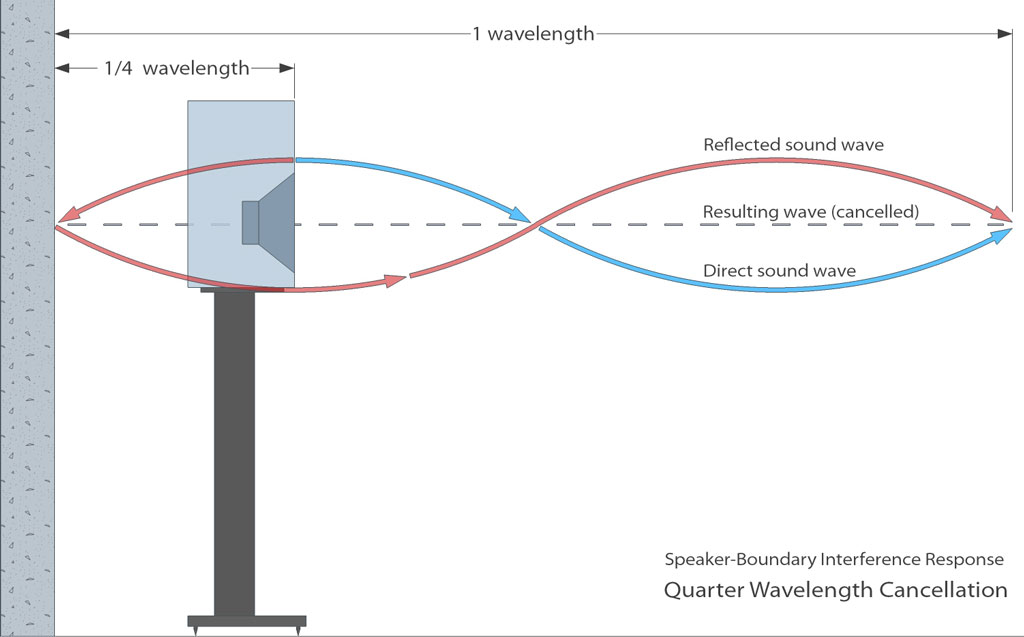
I evaluate room dimensions, speaker geometry, seating positions, and acoustic boundaries, then time-align the speakers to lock in a proper phantom center and prevent phase cancellation before digital correction begins.
Advanced Multi-Point Measurement
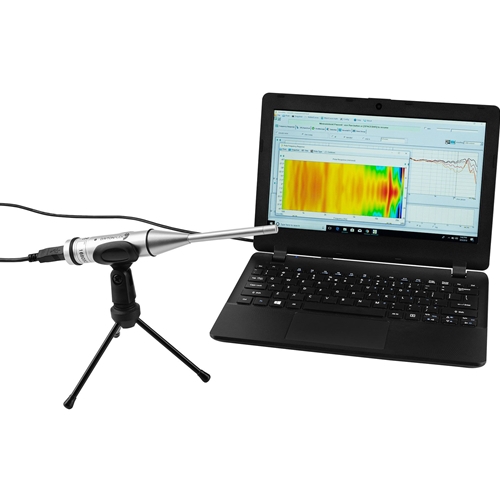
Using OmniMic RTA and REW, I capture dense listening-area data to map modal behavior, time-domain anomalies, and channel balance.
Software Optimization & House Curve Tailoring
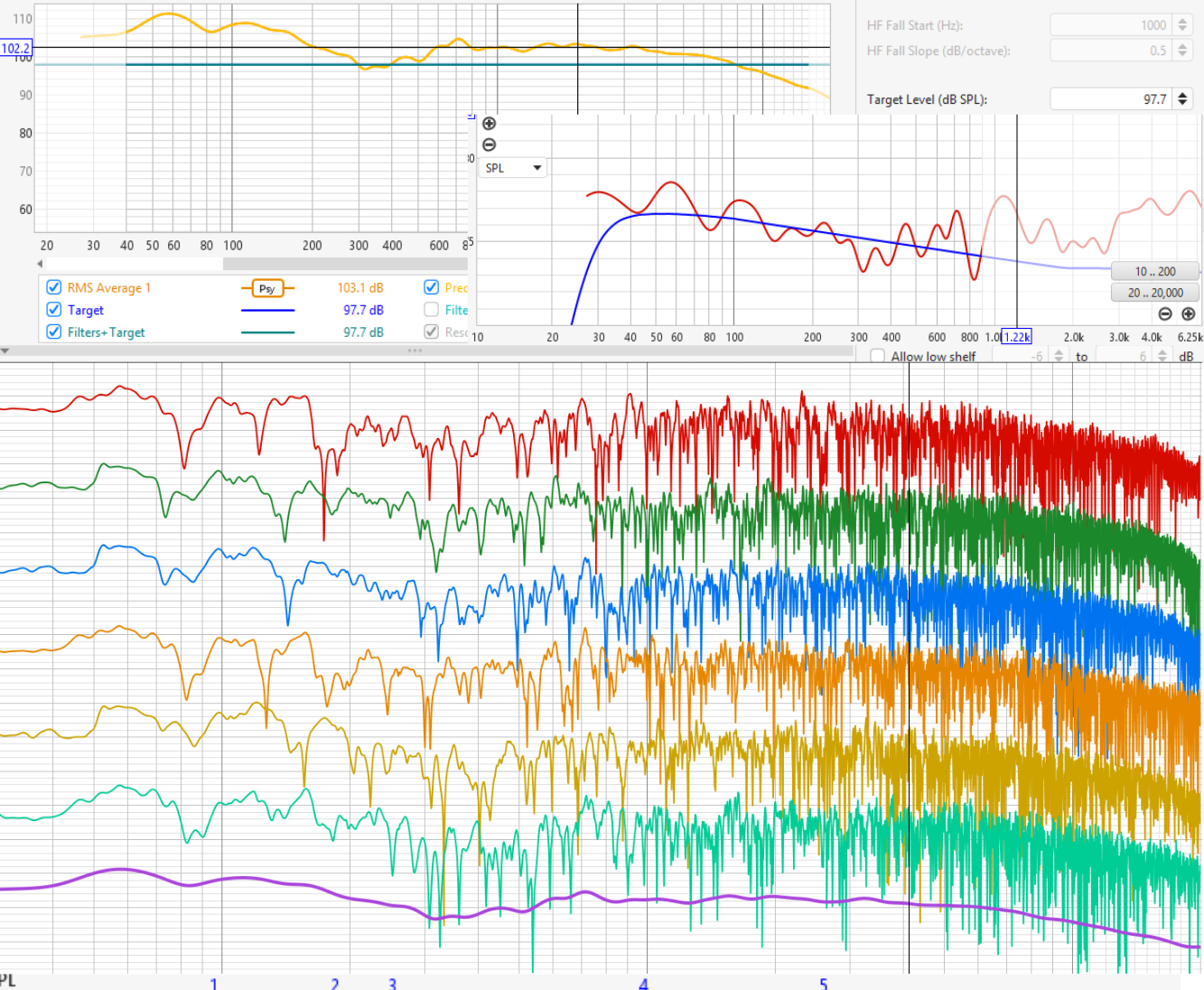
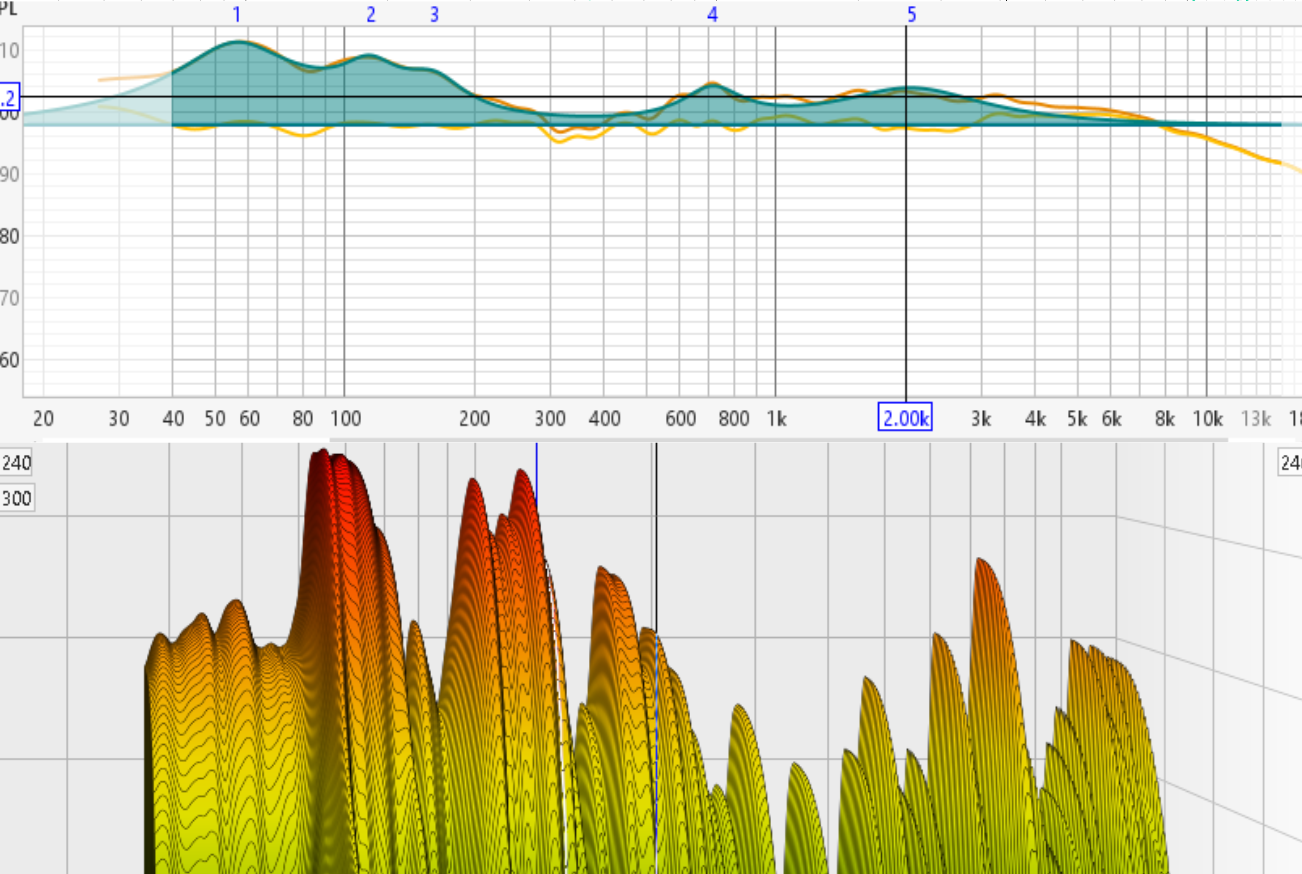
Using REW I apply target curves and create bespoke EQ profiles for your system. Correction stays under 500 Hz with wide filters, so room issues get cleaned up without rewriting the natural sound of your speakers.
Final Verification & Client Review
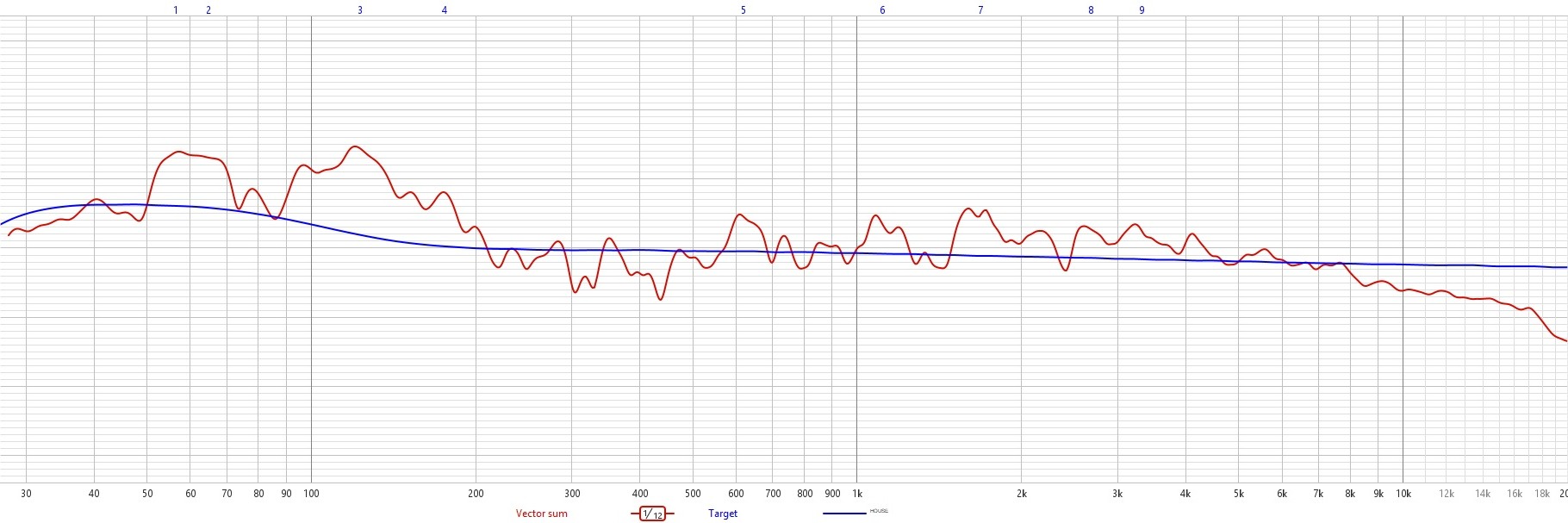
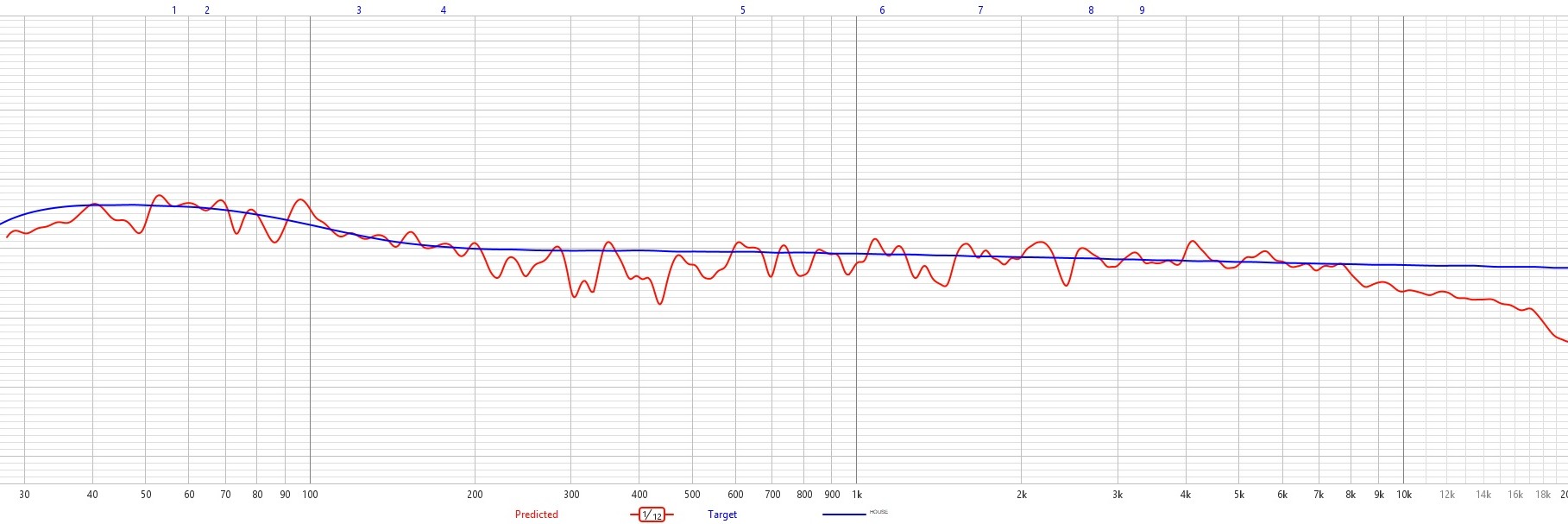
We validate performance with final sweeps to ensure the new filters are working properly to correct your room.
Drag the slider left and right to compare before and after calibration.
EQ Profile Deployment & System Handoff
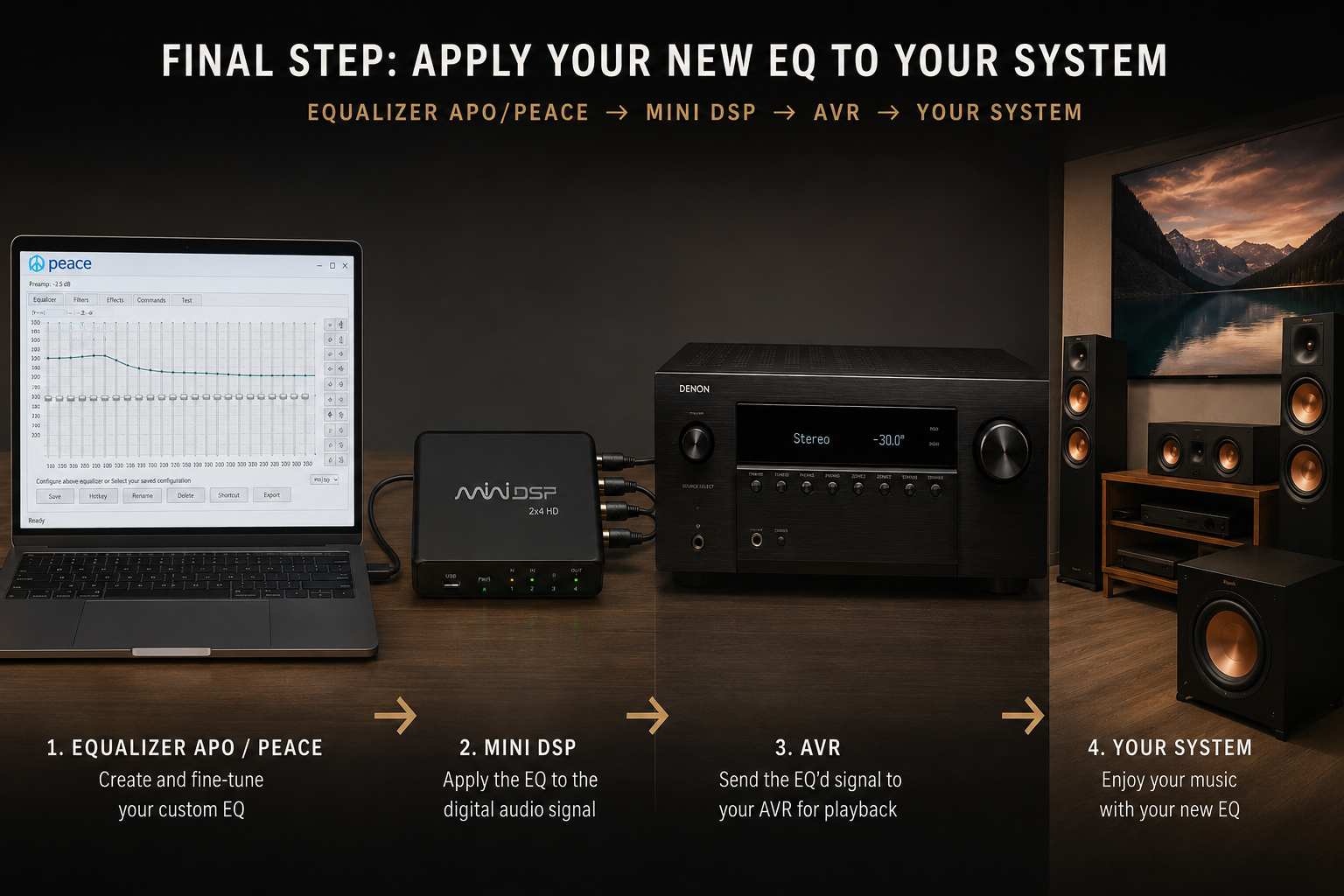
The final step is an A/B listening session of the equalization profile onto your own hardware, loaded via Equalizer APO, miniDSP, or a supported AVR.