Acoustic Analysis
Room Measurement & Placement
Serving the Greater Bay Area
Tuned to Your Room, and Your Ears.
Tap to focus · Tap again for details · Swipe or use arrows to browse
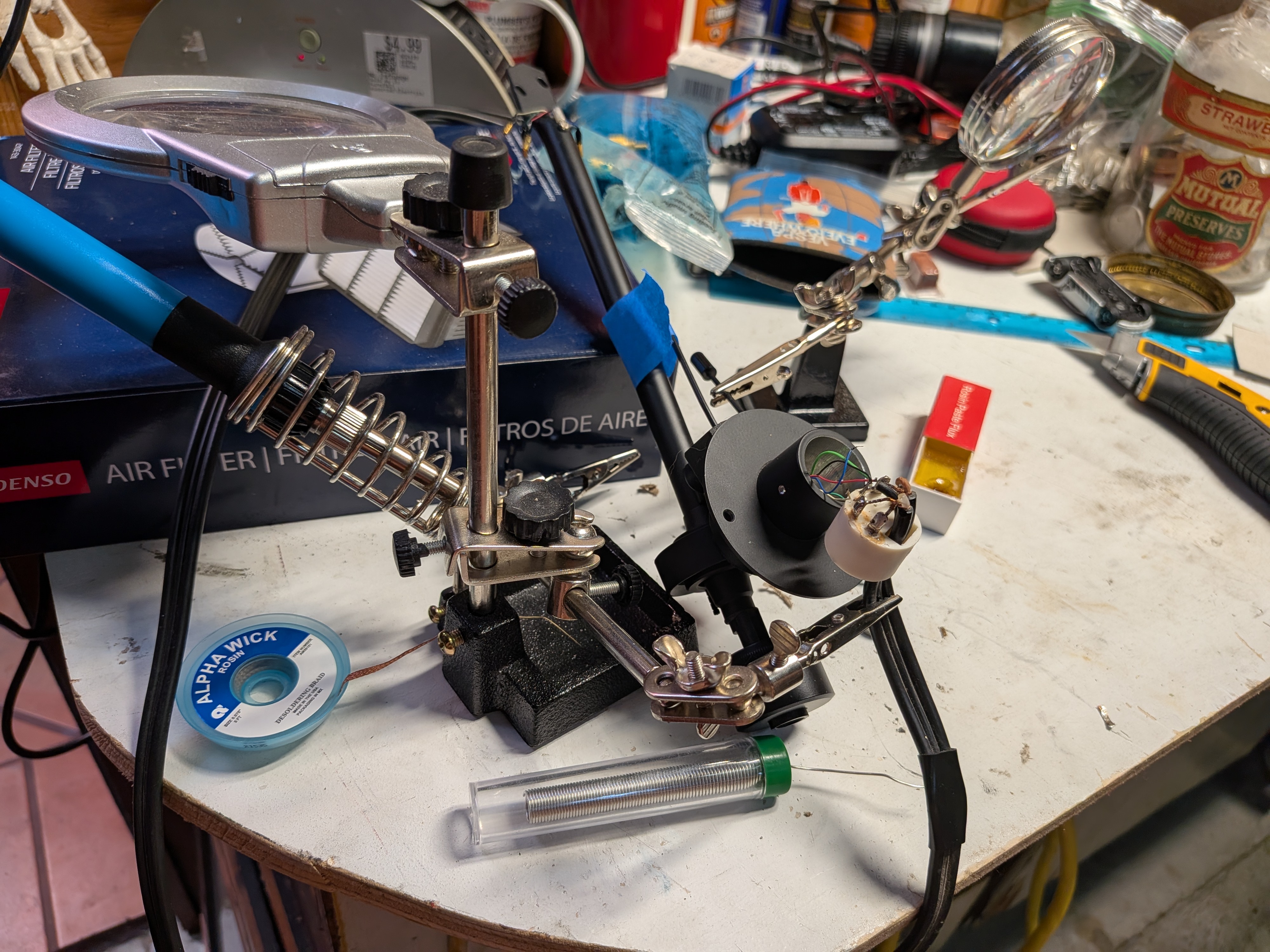
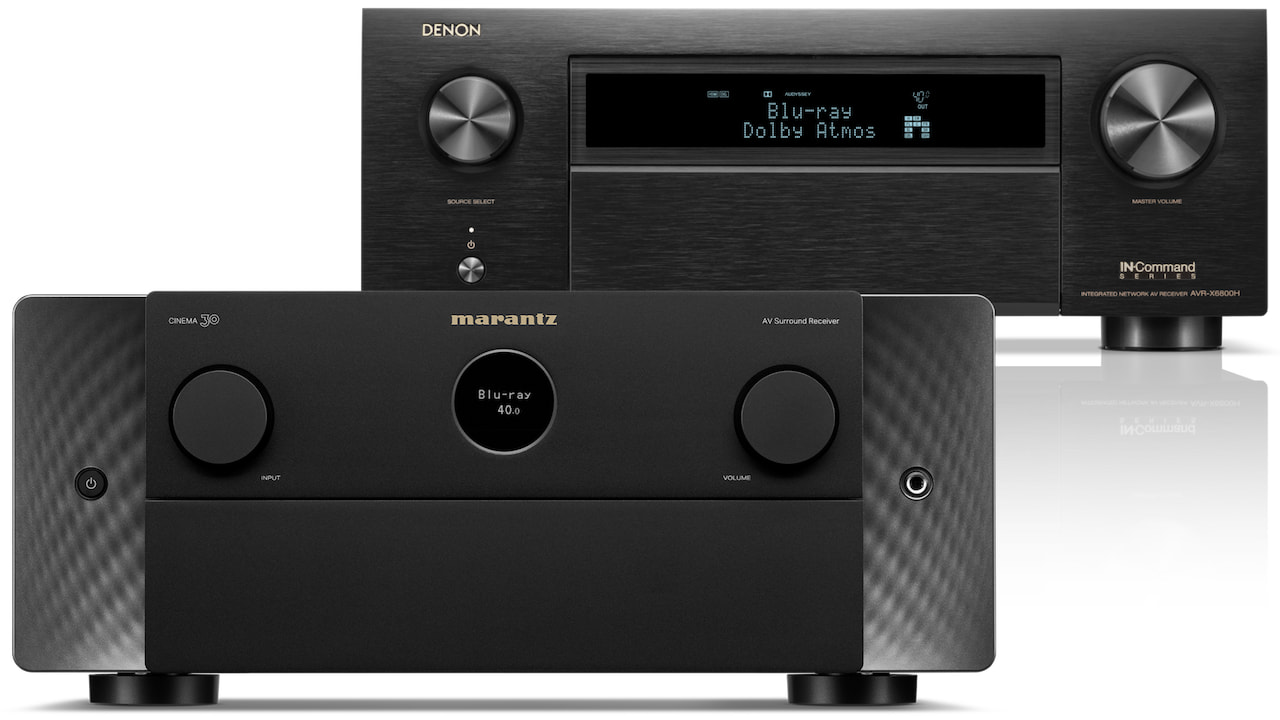
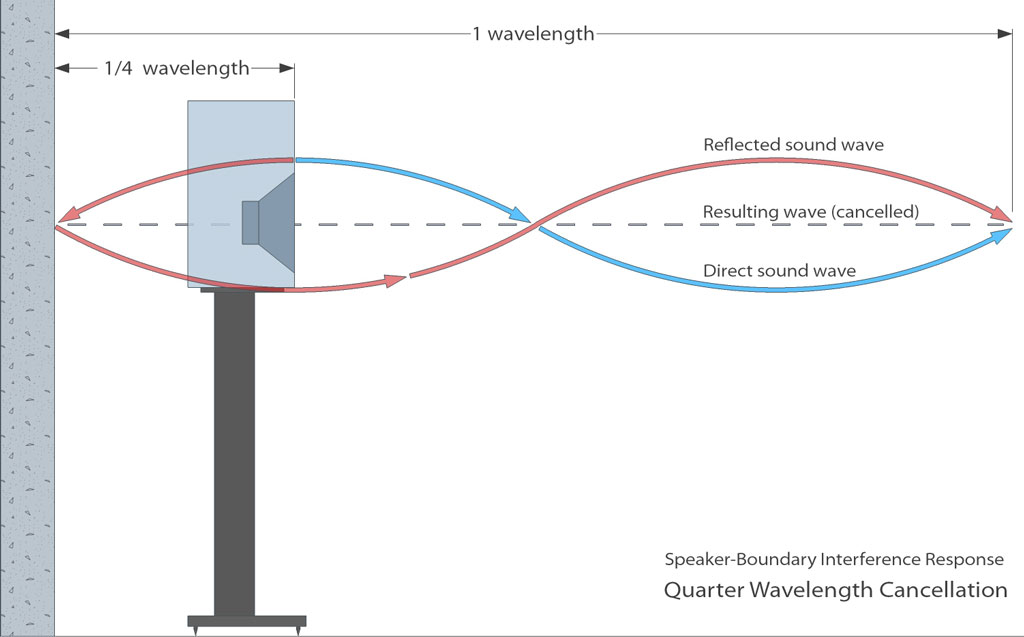
Walk the room, check speaker and seat geometry, and flag practical treatment options before any EQ is written.
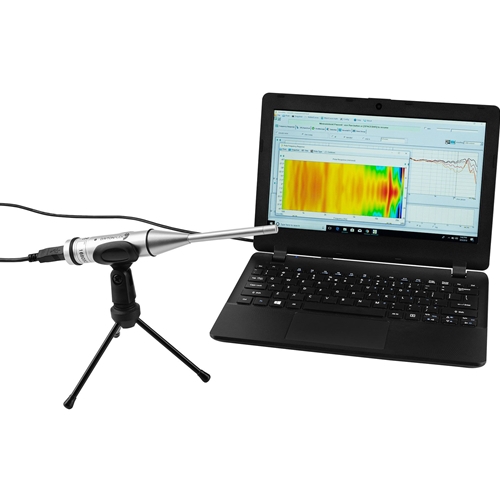
Multi-point sweeps map how your room and speakers actually behave across the listening area.
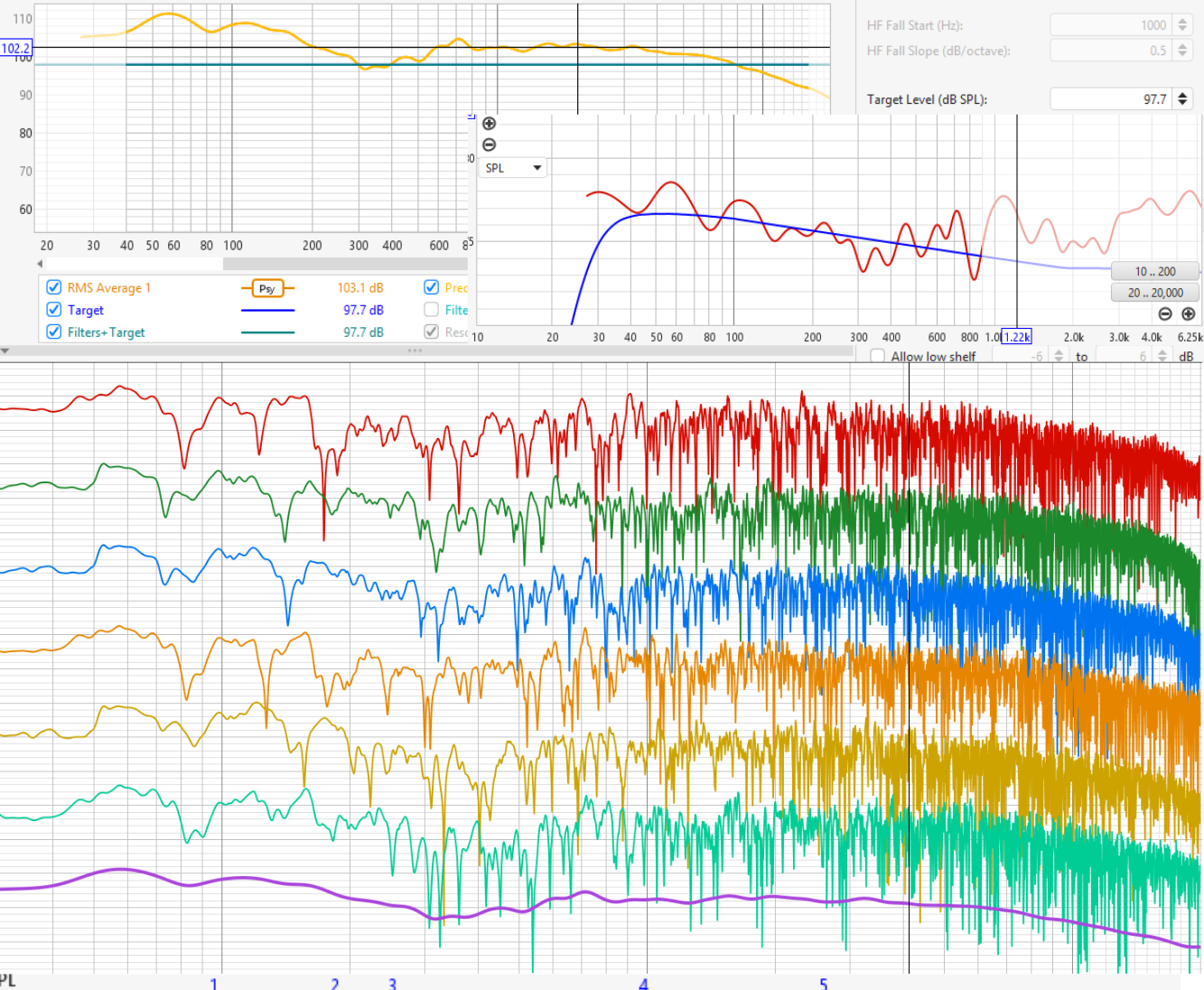
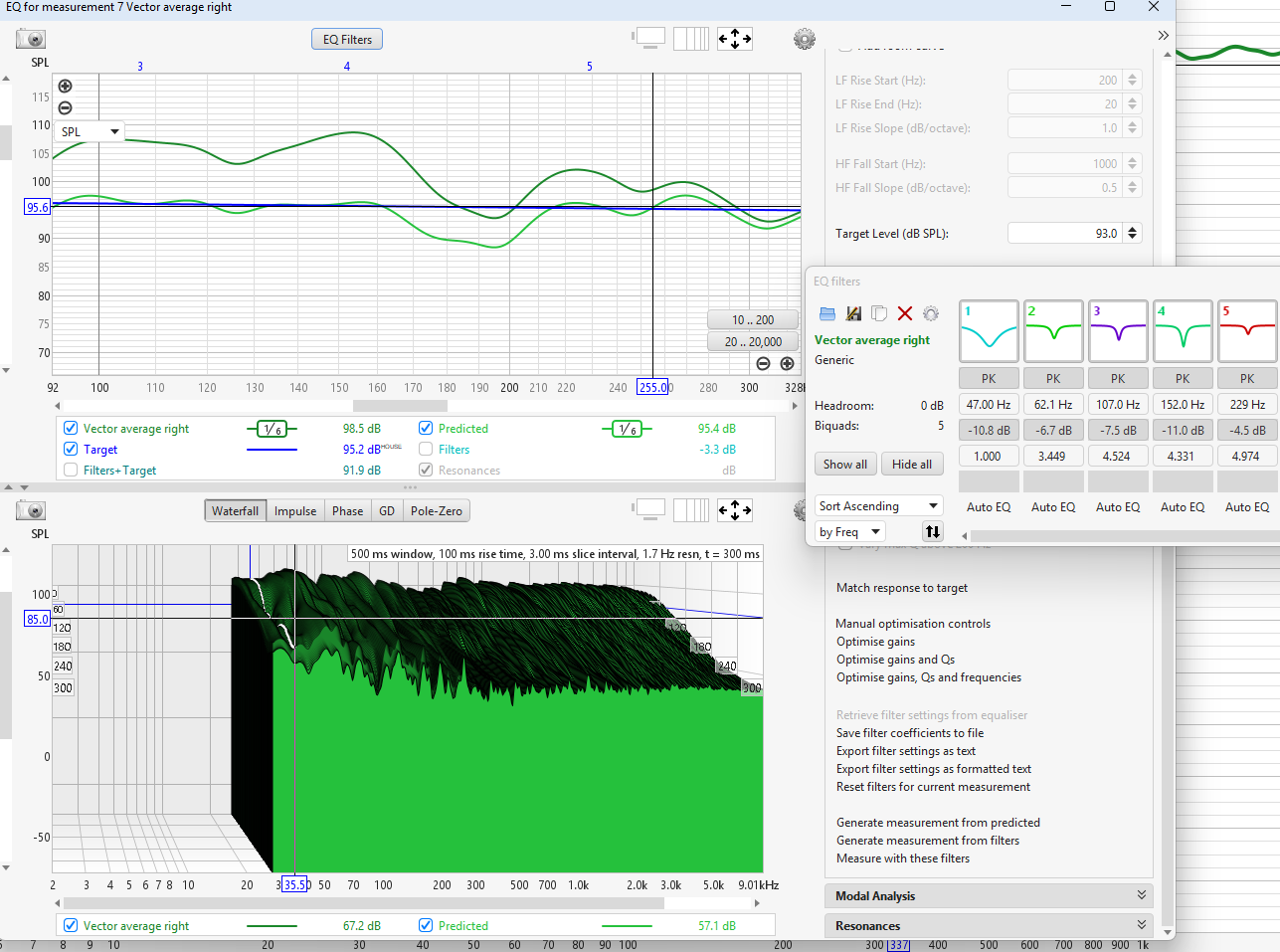
Custom EQ and target curves are built, verified, and loaded onto your AVR, miniDSP, or PC DSP.
For the nerdy details — placement math, REW, house curves, and before/after.
From $150
Measured room response, placement guidance, target curves, and bespoke EQ for your home theater or 2-channel system.
From $150
Internet, cable, home theater, and household electronics support when you want it done right without the DIY rabbit hole.
Quote after inspection
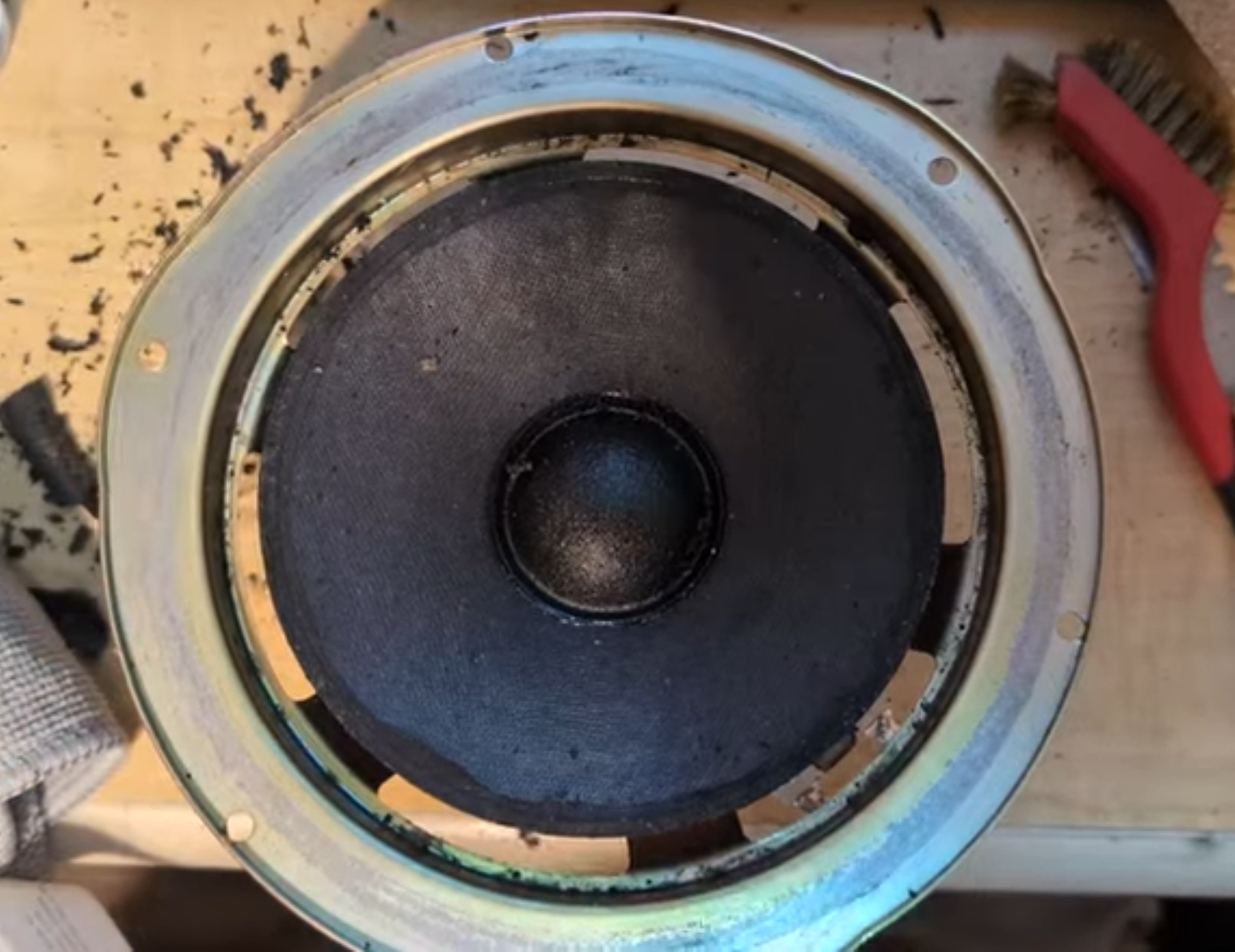
Refoam, drivers, crossovers, and basic amp inspection or recap. Complex high-end amp rebuilds are outside scope.
Quote after inspection
Cartridge alignment, tracking force, anti-skate, and signal-path fixes for a clean, stable vinyl chain.
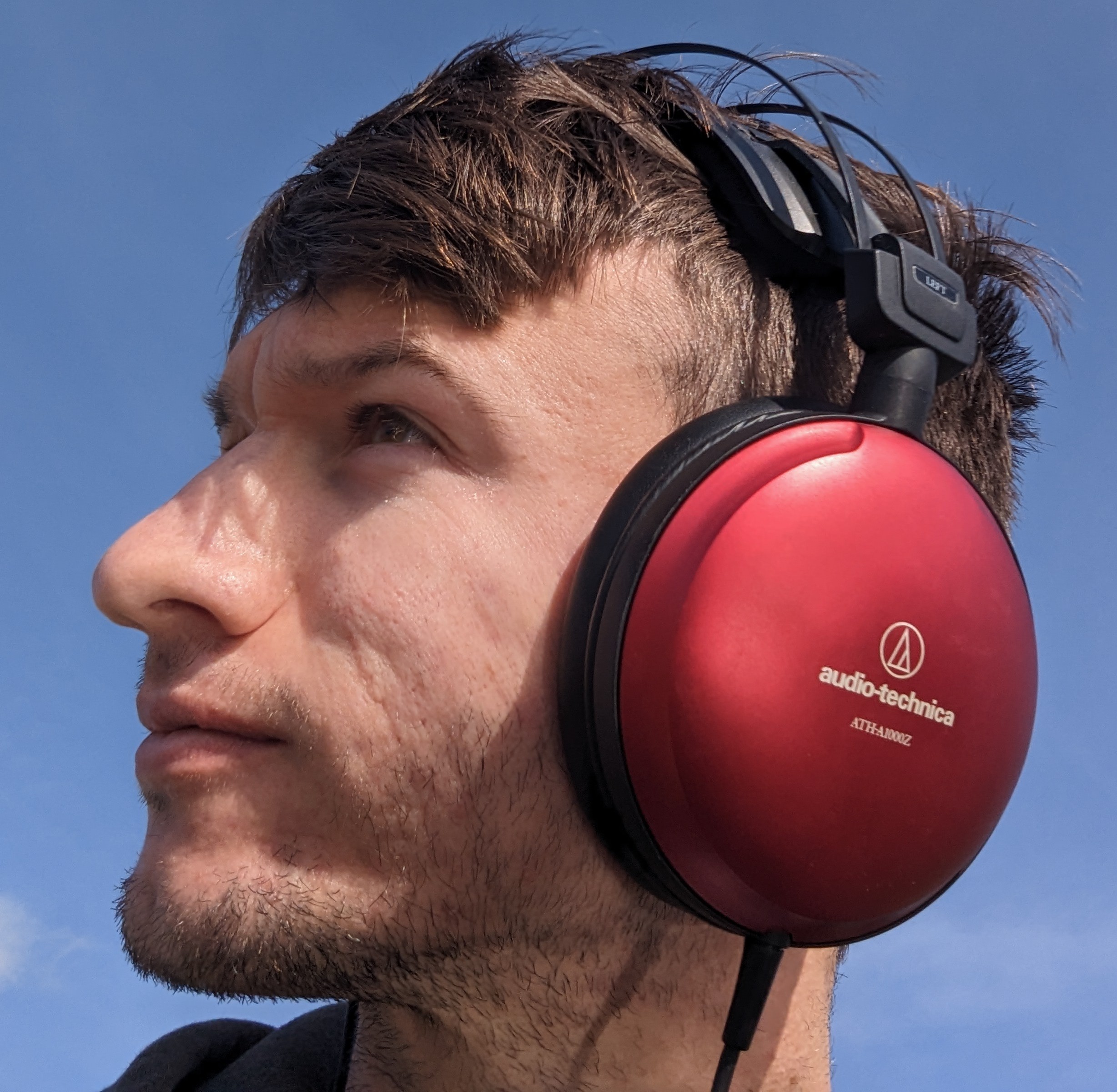
It never sounded this crisp and clear connected to my phone I thought. From here I fell down the headphone rabbit hole, ending my search after picking up a pair of Sennheiser HD 650s. Warm, wide, and just plain pleasing to listen to.
I swapped different headphone amps until I reached a certain point where I would have to start spending crazy money on equipment. I thought this was the end of my audiophile journey—that was until my dad picked up a 1994 pair of KEF Reference Ones. Before this pair of loudspeakers, I had only listened to budget bookshelf speakers, and I thought they sounded nowhere near as good as my headphones; they didn't have that wide soundstage and ability to pick out all the small hidden details. The KEFs blew me away. Amplified by cheap Denon AV receivers in its early days, then selling off some cryptocurrency I had bought in high school, I splurged and bought a Cambridge CXA61. That amp and speaker combo followed me to college and I was very happy with its performance.
At some point during summer break I was at a friend's parents' place who had a pair of 804D B&Ws, an Oppo CD player, McIntosh preamp and power amp. I cycled home and returned with six CDs. I spent the remainder of the party in the living room while beer pong continued in the garage. Frank (the owner) loved that I had brought over Beethoven's 6th Symphony, as did his friends who were BBQing in the back. So now I knew that there was even more room to grow.
My senior year of college I picked up a pair of Polk SDA SRS 2.0 that were the greatest speakers ever for a college house. You could hear them down the block at 12 o'clock on the amp. By now I was deep into my addiction, and had a Hafler 500 power amp and was still using that Cambridge as a preamp. I enjoyed my time with those speakers, but later sold them as I really didn't have the space and, frankly, they did some things incredibly and fell flat on their face for others.
At some point my good friend and fellow audiophile Sam picked up a set of Thiel CS 1.2s. I was blown away. They stood about as tall as a fifth grader, but filled the room with a bright, airy tone that was to die for. Within a year we both had a pair of 3.5s. I again thought this was the end of my audiophile journey, as we had reached the point where multiple thousands would need to be spent for small sonic improvements. That was until a pair of 3.6s came up for a whopping two hundred dollars. I drove from Oakland to Ukiah to load them in my car. Cool old hippie guy on a farm was glad to see them go to me.
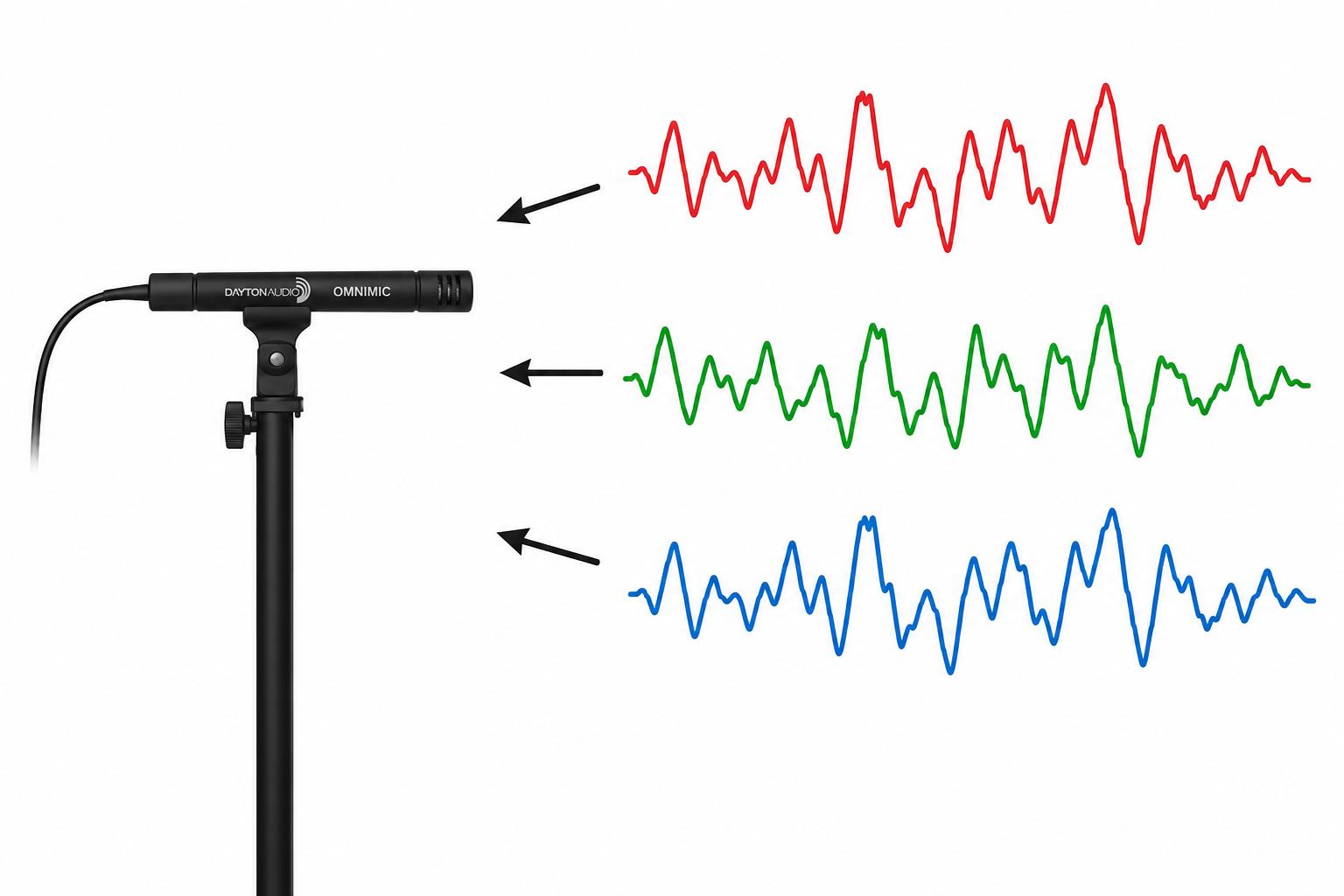
By this point, I had picked up two NAD 2200 power amps, one for each speaker, as well as a Dayton Audio OmniMic measurement microphone. So here began my journey into equalization, sonic coloration, and experimentation. I loved the 3.6s, but the bass was too fat and boomy; it would drown out the other frequencies. I knew this wasn't what they were supposed to sound like and invested in sound panels in my listening room, only after moving around every piece of furniture in my room to accommodate the speakers' best possible position—priorities. I quickly discovered my problem areas and got to work taking multiple measurements and using REW to create a custom EQ to cut those room modes. The end result knocked my socks off. It wasn't just less boomy; the midrange had a veil lifted, vocals that were once shrouded came forward. Within a few hours the speakers had taken on a new life.
I took this newfound ability into the living room and, with the help of an incredible program by OCA, the 7.2 system improved drastically—far more difficult to do than a simple stereo setup. From here many hours went into studying time delay, crossover integration, proper phase alignment, proper integration of subwoofers. Again, I owe most of what I've learned to OCA and his YouTube videos; his expertise was instrumental in my education.
Primarily Greater Bay Area home-theater and hi-fi listeners with mid to high-end gear who want measured room response, better placement, and custom EQ. We also help vinyl and vintage-speaker owners with restoration and turntable setup, and homeowners who need practical AV installation help.
In-home acoustic measurement, speaker and listening-position guidance, target-curve discussion, and bespoke EQ or filter profiles for your AVR, miniDSP, or PC-based DSP — including workflows compatible with Audyssey- and Dirac-equipped systems.
In-home visits across the Greater Bay Area. Final quotes account for room size, gear complexity, and travel.
Room treatment and filter creation starts from $150. General AV setup also starts from $150. Speaker restoration, gear work, and turntable setup are quoted after inspection.
Yes — refoam, drivers, crossovers, basic amp inspection or recap, plus turntable setup (cartridge alignment, tracking force, anti-skate, signal path). Complex high-end amplifier rebuilds are outside scope.
Calibration measures and corrects how your system interacts with the listening space — placement, target curves, and EQ. Restoration repairs or refreshes the hardware so speakers, amps, or turntables perform as intended before or alongside calibration.